
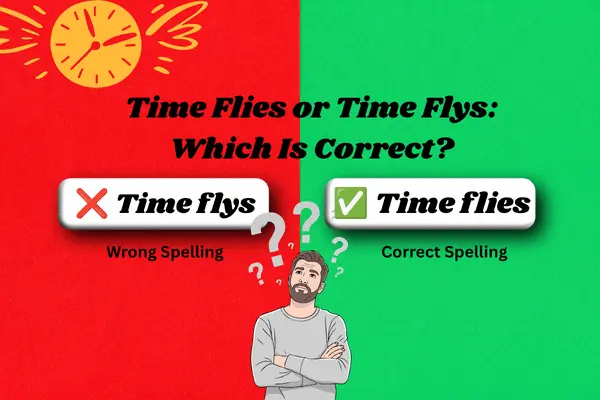
Time Flies or Time Flys: Which Is Correct?
Time flies is correct. Time flys is not a real word, and it’s never acceptable, not even in a quick text or a casual caption. The verb you want is “flies,” the same third-person singular form you’d use for a bird, a plane, or an hour that seems to disappearContinue Reading
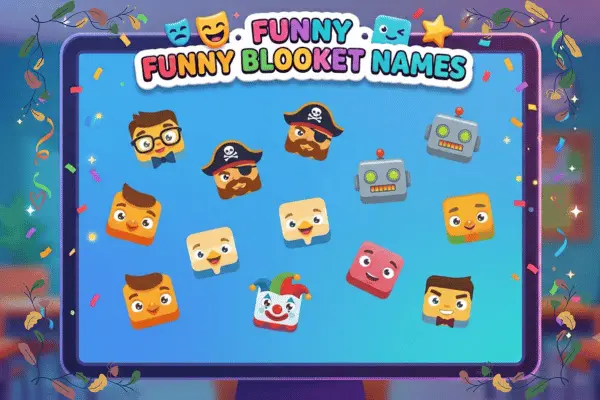
220+ Funny Blooket Names for 2026: Cool, Cute, School-Safe, Dirty & Meme Ideas
Need a funny Blooket name that actually lands the second it hits the leaderboard? You are in the right spot. Below you will find over 220 funny Blooket names for 2026, sorted by exactly the mood you are going for: cool, cute, chaotic, school-safe, a little edgy, or straight-up memeContinue Reading
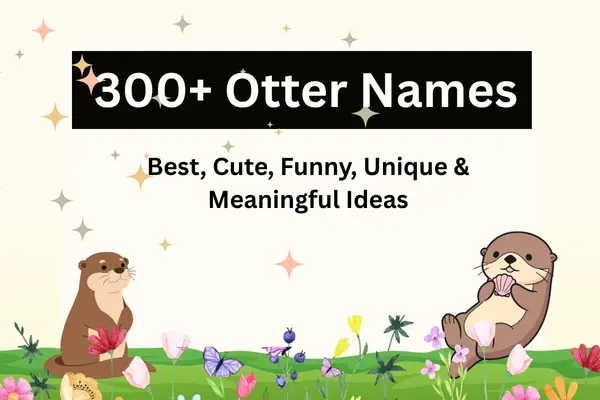
300+ Otter Names: Best, Cute, Funny, Unique & Meaningful Ideas (2026)
Picking the right otter names is more fun than most people expect, mostly because otters have so much personality to work with. Maybe you’re naming a pet, a plush toy, a character in a story, or even thinking about an otter-inspired name for a baby. Whatever the reason, this guideContinue Reading

Funny Gamertags: 450+ Hilarious Ideas for Xbox, PS5, PC & Every Game (2026)
You know the moment. You’re mid match, minding your own business, and someone’s name pops up on the killfeed that makes you stop and actually read it twice. Maybe it’s a pun. Maybe it’s something so specific and strange you can’t stop wondering who came up with it. That’s theContinue Reading
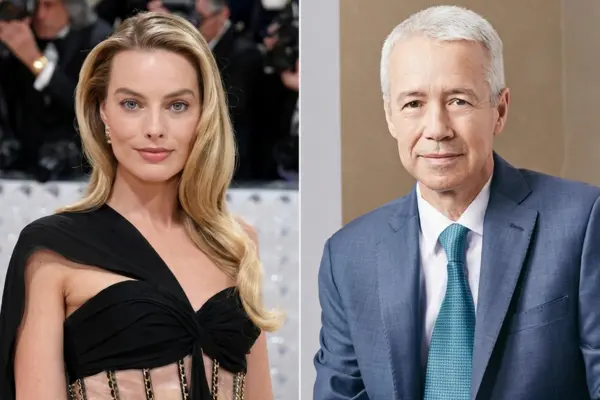
Joaquin Duato and Margot Robbie: Is there a Real Connection? Meet Her Actual Husband, Tom Ackerley
If you typed Joaquin Duato and Margot Robbie into Google and landed here, you’re probably trying to figure out what a pharmaceutical CEO and a Hollywood actress could possibly have in common. The honest answer is nothing personal and nothing professional. They’ve never worked together, they’re not related, and there’sContinue Reading
Inquire vs Enquire: Meaning, Pronunciation, and Correct Usage Explained
Typing an email and freezing on one word inquire or enquire? You’re not alone, and here’s the good news: you’re not wrong either way. Both spellings are genuine, standard English. Neither one is a typo waiting to be caught by a red squiggly line. The real story is that thisContinue Reading
300+ Forest Names: Fantasy, Magical, Dark, Girl, Boy & DnD Ideas
If you have ever tried to name a forest in your story, your campaign, or your world, you already know the problem. “The Dark Forest” sounds flat. “The Old Woods” sounds like a placeholder you meant to fix later. A forest is one of the most important settings in fiction,Continue Reading